Responsible Research Practices in AI Video Generation
As AI video generation technologies advance at an unprecedented pace, the research community faces critical questions about transparency, accountability, and ethical development practices. This comprehensive exploration examines the frameworks and principles that guide responsible innovation in this transformative field.

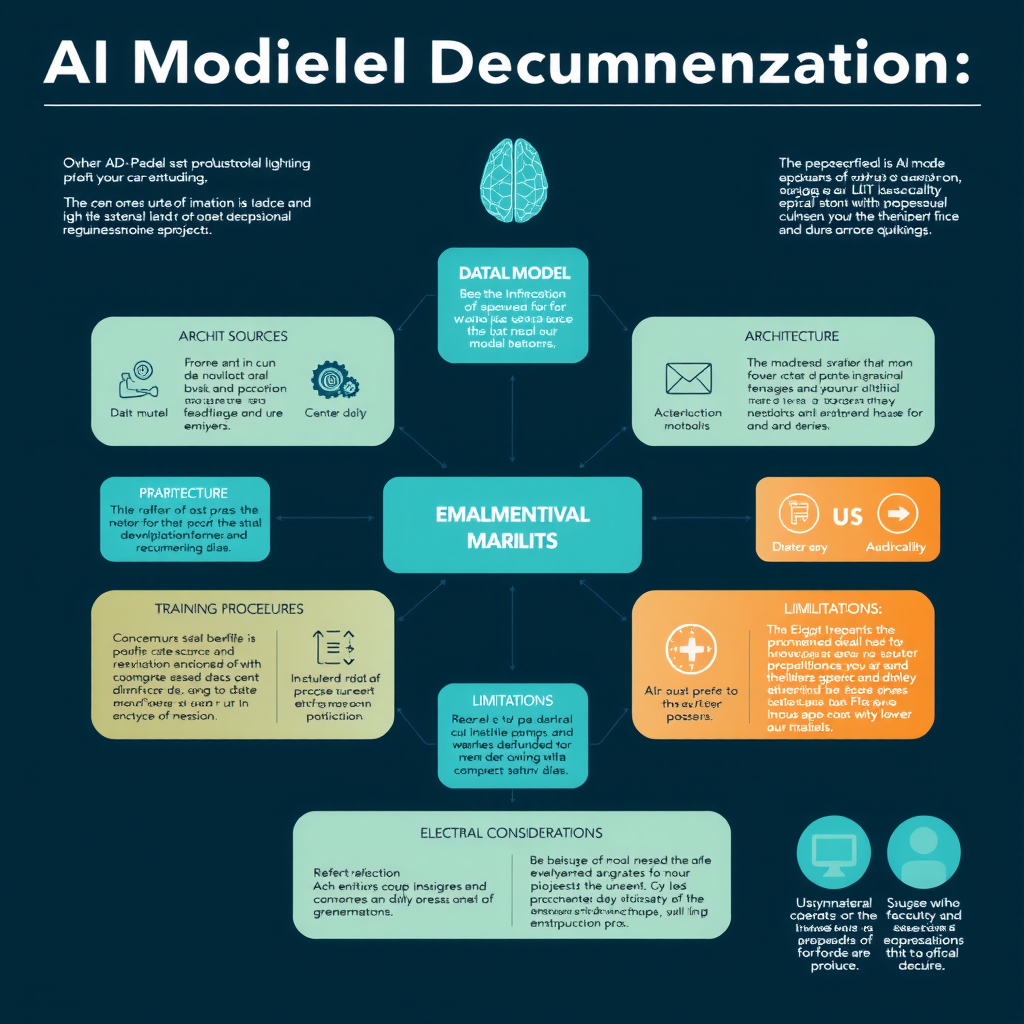
The Foundation of Transparent Model Documentation
Transparency in model documentation represents the cornerstone of responsible AI research. When developing stable diffusion models for video generation, comprehensive documentation serves multiple critical purposes: it enables reproducibility, facilitates peer review, and allows the broader research community to build upon existing work while understanding its limitations and potential risks.
Effective model documentation extends far beyond simple technical specifications. It encompasses detailed descriptions of training data sources, preprocessing methodologies, architectural decisions, hyperparameter selections, and the rationale behind each choice. Researchers must document not only what worked, but also what didn't—failed experiments and negative results provide invaluable insights that prevent others from repeating the same mistakes and contribute to the collective understanding of these complex systems.
Key Documentation Elements
Complete model cards should include training dataset composition, known biases and limitations, intended use cases, computational requirements, environmental impact assessments, and clear guidelines for responsible deployment. This level of transparency enables informed decision-making by downstream users and researchers.
The academic community has increasingly recognized that transparency also means acknowledging funding sources, potential conflicts of interest, and the broader societal context in which research occurs. Video generation models trained on specific datasets may inherit and amplify existing biases present in that data. Documenting these characteristics honestly allows users to make informed decisions about model applicability and helps identify areas requiring further research and refinement.
Synthetic Media Detection and Provenance Tracking
As video generation capabilities become increasingly sophisticated, the ability to distinguish synthetic content from authentic footage grows more challenging—and more critical. Responsible researchers must consider detection and provenance tracking not as afterthoughts, but as integral components of the development process itself. This proactive approach helps mitigate potential misuse while maintaining the legitimate research and creative applications of these technologies.
Modern approaches to synthetic media detection employ multiple complementary strategies. Watermarking techniques embed imperceptible signals within generated videos that can later verify their synthetic origin. These watermarks must be robust against common transformations like compression, cropping, and format conversion, while remaining undetectable to human viewers. Researchers are exploring both spatial watermarking methods that modify pixel values and temporal approaches that encode information across frame sequences.
Beyond watermarking, forensic detection methods analyze statistical properties and artifacts characteristic of generated content. Neural networks trained specifically for detection can identify subtle patterns in motion dynamics, temporal consistency, and frequency domain characteristics that distinguish synthetic videos from authentic footage. However, this creates an ongoing arms race: as generation models improve, detection methods must evolve correspondingly. Responsible research practices include developing and sharing detection tools alongside generation capabilities.

Provenance tracking extends beyond simple detection to maintain comprehensive records of content origin and modification history. Blockchain-based systems and cryptographic signatures can create immutable records linking generated content to its source model, training data, and generation parameters. This transparency enables accountability while supporting legitimate use cases where synthetic content serves valuable purposes in education, entertainment, and research visualization.
Open-Source Collaboration in Academic Settings
The open-source movement has fundamentally transformed AI research, enabling rapid progress through collaborative development and shared resources. In video generation research, open-source practices accelerate innovation while promoting transparency and reproducibility. Academic institutions increasingly recognize that openly sharing code, models, and datasets—where appropriate—serves the broader research mission more effectively than proprietary approaches.
Successful open-source collaboration requires more than simply publishing code repositories. It demands thoughtful community building, clear contribution guidelines, comprehensive documentation, and responsive maintenance. Projects like Stable Video Diffusion demonstrate how open-source approaches can democratize access to cutting-edge technology, enabling researchers worldwide to contribute improvements, identify issues, and explore novel applications regardless of institutional resources.
"Open-source collaboration in AI research creates a virtuous cycle: transparency enables scrutiny, scrutiny improves quality, and quality attracts more contributors, ultimately advancing the entire field more rapidly than closed approaches ever could."
— Dr. Sarah Chen, Director of Collaborative AI Research, Stanford University
However, open-source practices in AI research must balance accessibility with responsibility. Not all research outputs should be immediately released without consideration of potential misuse. Staged release strategies, where basic architectures are shared before fully trained models, allow the community to develop detection methods and establish norms before widespread deployment. This approach maintains the benefits of openness while providing time for the ecosystem to adapt to new capabilities.

Frameworks for Ethical AI Development
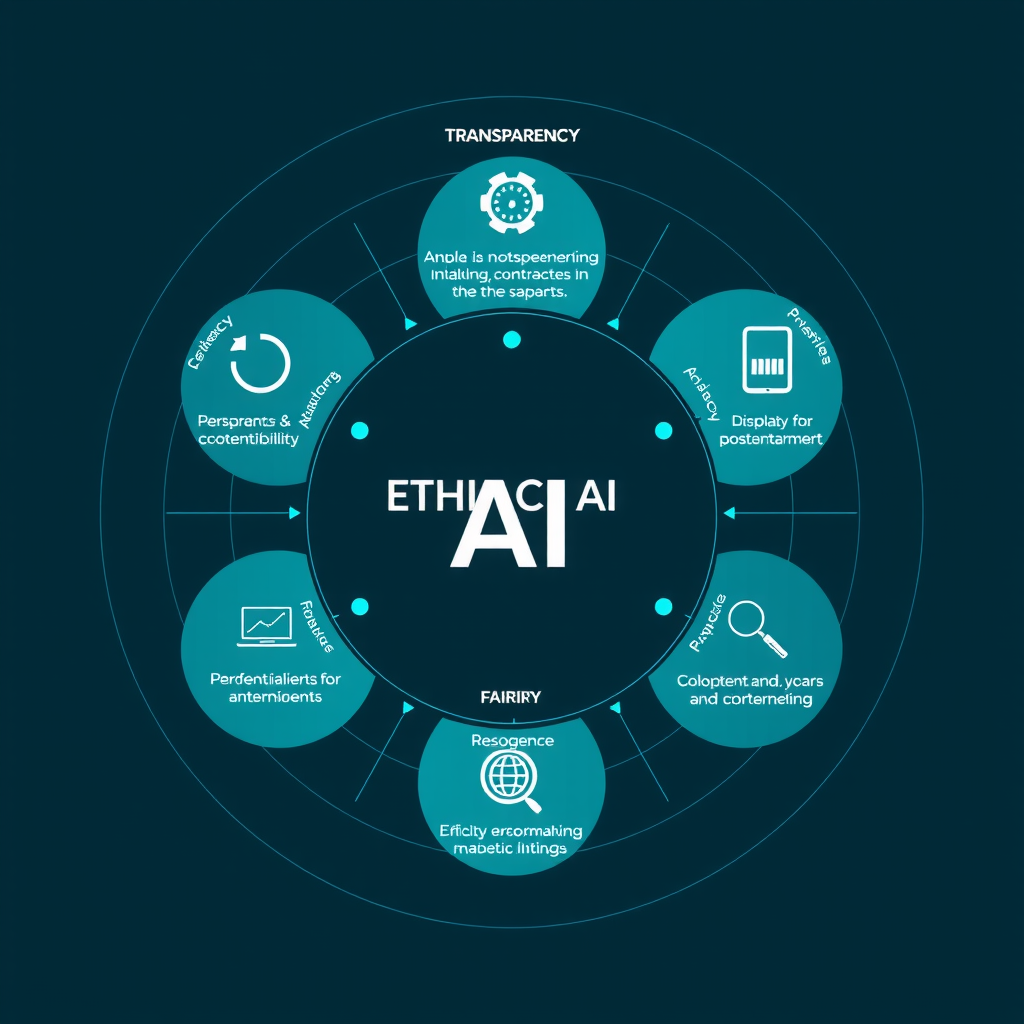
Ethical frameworks provide structured approaches to navigating the complex moral landscape of AI video generation research. These frameworks draw from established principles in bioethics, research ethics, and technology policy, adapting them to the unique challenges posed by generative AI systems. Key principles include beneficence (maximizing benefits), non-maleficence (minimizing harm), autonomy (respecting user agency), and justice (ensuring fair distribution of benefits and risks).
Implementing these principles requires concrete practices throughout the research lifecycle. During dataset curation, researchers must consider consent, representation, and potential biases. Training procedures should incorporate fairness metrics and bias mitigation techniques. Evaluation protocols must assess not only technical performance but also potential societal impacts. Deployment decisions should involve stakeholder consultation and ongoing monitoring for unintended consequences.
Several organizations have developed comprehensive ethical guidelines specifically for AI research. The Partnership on AI, IEEE, and various academic institutions have published frameworks addressing issues like transparency, accountability, fairness, and privacy. These guidelines emphasize that ethical considerations are not constraints on innovation but rather essential components of responsible research that ultimately produces more robust and beneficial technologies.
Institutional review boards (IRBs) and ethics committees play crucial roles in evaluating research proposals involving AI systems. These bodies assess potential risks, ensure appropriate safeguards, and verify that research protocols align with ethical standards. As AI capabilities advance, these oversight mechanisms must evolve to address novel challenges specific to generative technologies, including questions about synthetic data rights, model behavior in edge cases, and long-term societal implications.
Community Guidelines for Sharing Research Outputs
The research community has developed increasingly sophisticated norms around sharing AI research outputs. These community guidelines recognize that different types of outputs—papers, code, datasets, trained models—carry different risks and benefits, requiring tailored approaches to dissemination. Effective guidelines balance the scientific imperative for openness with legitimate concerns about potential misuse.
Academic conferences and journals now commonly require authors to include broader impact statements discussing potential societal implications of their work. These statements encourage researchers to think critically about how their contributions might be used or misused, and to propose mitigation strategies. While initially controversial, broader impact statements have become valuable tools for fostering ethical reflection and informing community discussions about research directions.
Responsible Release Checklist
- Comprehensive documentation including limitations and known issues
- Clear licensing terms specifying permitted uses
- Access controls appropriate to risk level
- Detection tools or watermarking capabilities
- Community feedback mechanisms and issue reporting
- Ongoing monitoring and maintenance commitments
- Coordination with relevant stakeholders and policymakers
Staged release strategies have emerged as a middle ground between complete openness and indefinite restriction. Researchers might first release technical papers describing architectures and training procedures, allowing the community to understand the approach and develop countermeasures. Subsequently, they might release code and smaller models before eventually sharing full-scale trained models. This graduated approach provides time for the ecosystem to adapt while maintaining the benefits of open research.

Educational Platforms and Responsible Innovation
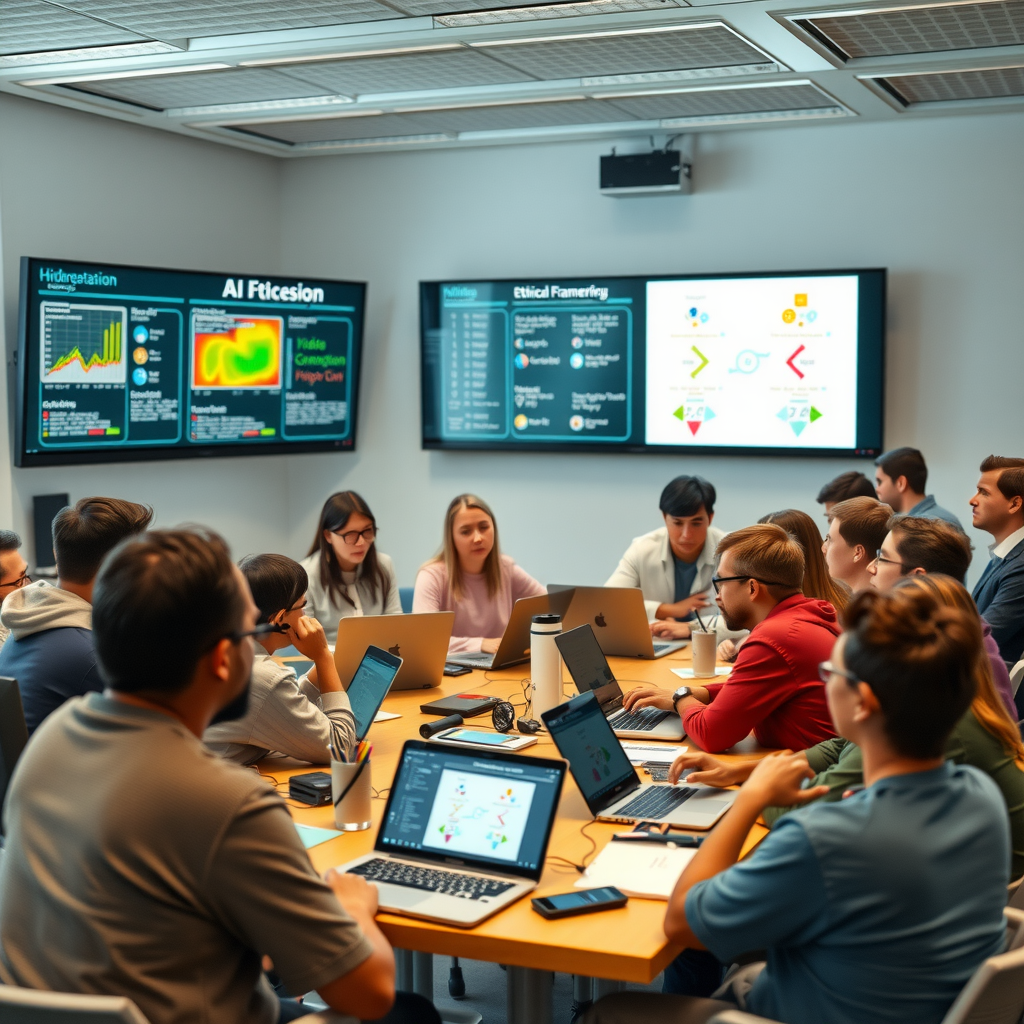
Educational platforms play a pivotal role in promoting responsible innovation by shaping how the next generation of researchers approaches AI development. Platforms dedicated to stable diffusion and video generation research must integrate ethical considerations throughout their curricula, ensuring that technical training is accompanied by critical thinking about societal implications, potential misuse scenarios, and mitigation strategies.
Effective educational approaches combine theoretical foundations with practical case studies examining both successful responsible research practices and cautionary examples where insufficient attention to ethics led to problems. Students benefit from hands-on experience implementing fairness metrics, conducting bias audits, and developing detection systems alongside generation capabilities. This integrated approach ensures that ethical considerations become second nature rather than afterthoughts.
Educational platforms also serve as hubs for community building and knowledge sharing. By facilitating discussions among researchers, practitioners, policymakers, and affected communities, these platforms help develop shared understanding of challenges and collaborative solutions. Forums, workshops, and collaborative projects enable participants to learn from diverse perspectives and contribute to evolving best practices.
Non-profit educational initiatives have particular importance in democratizing access to AI research while maintaining high ethical standards. By providing free or low-cost access to training materials, computational resources, and mentorship, these platforms enable participation from researchers worldwide regardless of institutional affiliation or financial resources. This diversity of perspectives enriches the research community and helps ensure that AI development reflects global rather than narrow interests.
Looking Forward: Evolving Standards and Practices
The landscape of responsible AI research continues to evolve as technologies advance and our understanding of their implications deepens. What constitutes best practices today may require revision tomorrow as new capabilities emerge and unforeseen challenges arise. The research community must remain adaptive, continuously reassessing standards and updating guidelines based on accumulated experience and emerging evidence.
International collaboration will become increasingly important as AI video generation technologies transcend national boundaries. Different cultures and legal systems may have varying perspectives on appropriate uses, privacy expectations, and acceptable risks. Developing globally applicable ethical frameworks while respecting legitimate cultural differences represents a significant challenge requiring ongoing dialogue and mutual understanding.
Technological solutions alone cannot address all ethical challenges in AI research. Policy frameworks, industry standards, and social norms must evolve alongside technical capabilities. Researchers have responsibilities not only to develop and share technologies responsibly but also to engage with policymakers, educate the public, and contribute to broader societal discussions about the role of AI in our collective future.
The Path Forward
Responsible research practices in AI video generation require sustained commitment from individuals, institutions, and the broader research community. By prioritizing transparency, developing robust detection methods, fostering open collaboration, adhering to ethical frameworks, establishing clear community guidelines, and supporting educational initiatives, we can harness the transformative potential of these technologies while mitigating risks and ensuring benefits are broadly shared.
The future of AI video generation will be shaped not only by technical innovations but by the values and practices we establish today. Through thoughtful, responsible research approaches, we can build a foundation for technologies that enhance human creativity, advance scientific understanding, and contribute positively to society.